

Why Shopify is a clear choice for non-transactional websites
4 February 2026


Find out how brands are using Shopify in unexpected ways, powering sleek, high-performing websites that capture leads, showcase services, and prove Shopify isn’t just for online stores.
Why Shopify is the smart choice for service-led brands
When most people think of Shopify, they picture product grids, carts, and a streamlined checkout. But for many B2B and service-led companies, the challenge isn’t “how do we sell online right now?”, it’s more about “how do we generate qualified leads, model complex services, and keep our digital presence future-proof without sinking time and money into high-maintenance platforms?”
The choice often comes down to Shopify versus a legacy CMS. While it might not seem obvious at first, Shopify has become a compelling option for non-transactional websites, especially for businesses that need security, speed, scalability, and clean user experiences with the option to enable commerce later.
The platform’s built-in hosting, enterprise-grade security, and global CDN remove a huge amount of development overhead, while its SEO-ready foundations and flexible content modelling make it just as effective for lead generation sites as it is for ecommerce.
Add in seamless CRM integrations and automation tools, and Shopify offers a strong case as the backbone for digital growth, even if you never add a checkout button.
In this article, we’ll explore why Shopify is a clear choice for non-transactional websites, the features that make it work for lead generation and content-first brands, and when it may not be the best fit.

Workflow Shopify theme – ideal for B2B content
Why Shopify works for non-transactional sites
Business case: enterprise-grade foundations without the overhead
One of Shopify’s biggest strengths is that it takes care of the heavy lifting behind the scenes. By this, we mean hosting, security patches, SSL certificates, CDN distribution and performance optimisation. These are all built in. For marketing and digital teams, that means less time worrying about infrastructure and more time focusing on campaigns, content and lead generation.
Then there’s the question of SEO. Shopify offers clean code, fast page load times and mobile-optimised themes — all essential for strong ranking performance. Most importantly, it gives you a clear upgrade path. If your strategy evolves, you can easily add Shopify’s powerful eCommerce features without replatforming or starting from scratch. Read more about our Shopify migration services
Content and modelling: flexible structures for services and resources
Unlike some CMS platforms that require custom development for structured content, Shopify offers content mapping with metaobjects and metafields that allow you to model reusable content types. For service-led businesses, this means you can easily create content templates for things like service pages, FAQs, galleries, case studies, or location profiles.
Pair that with Shopify’s blogging functionality, landing page flexibility, and integrations for rich media, and you’ve got a content-first platform that can handle thought leadership, product catalogues without pricing, and in-depth resource hubs — all while maintaining design consistency.
Lead capture and workflows: from interest to qualified enquiry
Even without a checkout, lead capture is straightforward in Shopify. You can integrate custom forms, request-for-quote (RFQ) flows, gated content downloads and newsletter sign-ups directly into your site. With native integrations and third-party apps, those leads can be synced seamlessly into your CRM or marketing automation platform, helping you track ROI and nurture prospects effectively.
For B2B businesses where sales are often consultative or offline, Shopify is a smart platform to move to. Instead of forcing a cart experience, you can guide your visitors towards high-value actions, like booking a demo, requesting a callback, or downloading technical documentation — while keeping all analytics and performance tracking under one roof.
Architecture options to build non-transactional stores
Shopify’s flexibility goes far beyond its checkout. By combining catalog, content and lead capture patterns, you can create a site that feels tailored to your sales cycle while still being simple to manage. Here are some of the common approaches for non-transactional builds:
Catalog-led lead gen
For companies with complex service offerings or products not suited to online purchases, instead of showing prices and an “add to cart” button, products can link to actions such as enquire now, request a quote or book a demo. This setup keeps information structured and SEO-friendly, while nudging visitors toward high-value conversions instead of transactions.
Content-first
Not every business needs a product catalogue at the heart of their website. With Shopify’s flexible page templates and metaobjects, you can create reusable content structures for anything — from services and testimonials to resources and multi-location pages.
For larger organisations, faceted navigation can be layered in to make deep content libraries easier to browse — ensuring the site feels more like a robust CMS than a simple storefront. You can explore flexible designs using Shopify themes and extend functionality through Shopify apps.
RFQ and enquiry flows
Shopify supports lead generation patterns that mirror offline sales journeys. You can embed short, contextual forms across relevant pages, with options for file uploads, conditional logic, and progressive profiling. This makes it easy to qualify leads without overwhelming the user. A clear post-submit experience, such as thank-you pages, personalised confirmations, or automated CRM handoff ensures marketing and sales teams can pick up seamlessly from the enquiry.
Appointment and demo booking
For service-led businesses, every click should bring people closer to a conversation. Shopify connects effortlessly with leading calendar and scheduling apps, making it easy for visitors to book time with your team. Built-in timezone detection, confirmation emails, and reminder flows keep things running smoothly. Such an important factor, whether they’re booking a demo, consultation or training session.
Content to lead
Sometimes the most effective way to capture leads is by offering value upfront. Shopify makes it possible to create resource libraries, lookbooks, calculators, comparison tables and gated downloads, all of which can be linked to lead capture forms. This positions your brand as a trusted advisor while steadily building a pipeline of prospects who are actively engaging with your expertise.

Transition to eCommerce effortlessly with the Combine Shopify theme
Flexibility for post-launch commerce
One of the biggest advantages of choosing the Shopify platform for a non-transactional site is the built-in path to commerce whenever your business is ready. You don’t need to replatform or start again — you can evolve the site gradually, aligning digital capabilities with your sales strategy.
Turning service items into shoppable products
Start by modelling your services or complex offerings as “service items,” and you’ll have the flexibility to evolve them over time. Lower-intent services can remain enquiry-only with lead capture, while high-demand or standardised packages can feature dual CTAs (like Contact us or Download file).
Visibility can be controlled with tags or alternate templates, and you can configure your products as no-shipping items with the correct service tax applied. This creates a hybrid site that serves both self-service buyers and those who need more consultative sales.
Introducing price lists, B2B quotes and checkout when ready
With Shopify Plus, you can easily restrict pricing so only logged-in customers or approved companies can view it. Using customer tags and price lists, you can segment by account type or tier — keeping sensitive commercial information private while still delivering a tailored experience.
You can also introduce quote-to-order workflows, where a request will generate a draft order or invoice, giving sales teams flexibility before a customer completes checkout. For more on how this works in practice, visit our Shopify B2B service page.
When the time comes to enable ecommerce, it doesn’t have to be all at once.
Many businesses pilot checkout with a small subset of products, customers or payment gateways before rolling it out more widely. This step-by-step approach ensures you retain control over the customer journey while steadily unlocking revenue through online sales.
Migrating to Shopify from another platform
Shifting your existing website onto Shopify isn’t just about lifting and shifting content, it’s an opportunity to streamline how your site is structured and how it generates leads. A well-planned migration ensures you retain existing visibility while setting up for long-term scalability.
Discovery and content modeling
The process begins with a comprehensive audit of existing pages and content types. Every service page, case study, resource and location profile should be reviewed and mapped into Shopify’s metaobjects, metafields and templates so they’re reusable and easy to manage.
To protect SEO equity, it’s critical to create a 1:1 redirect plan that preserves your existing URL slugs wherever possible. If SEO is a core objective of your migration, explore our SEO services page.
Lead capture and CRM
If your current site already handles enquiries, RFQs or bookings, these flows need to be rebuilt in Shopify with equivalent or improved UX. Integrations with external CRMs such as HubSpot, Salesforce or Zoho can be reconnected to maintain lead management workflows.
Establish routing rules and notifications from day one to ensure every lead reaches the right person fast, keeping your marketing and sales teams aligned, responsive, and ready to act.
SEO and analytics continuity
Protecting SEO performance should be a top priority in any migration. That means moving your on-page content, URLs and structured data (like service schema) across seamlessly, as well as keeping internal links and images intact so search engines can follow your site without missing a beat.
On the analytics side, rebuild your GA4 events in Google Tag Manager to ensure every visit, form fill and resource download continues to be tracked accurately from day one.
Launch and optimisation
When it’s time to go live, a structured DNS and sitemap handover is crucial to minimise downtime and ensure search engines can crawl the new site quickly. Post-launch, monitoring Google Search Console, 404 errors and enquiry rates gives early indicators of performance. From there, you can begin iterating on CTAs, landing pages and workflows to steadily improve lead generation and conversion.
Client success stories
One of the best ways to appreciate Shopify’s flexibility is to see it in action, beyond traditional online stores. Here are a few examples of how we’ve helped brands and service-led organisations use Shopify to build high-performing, non-transactional websites that still drive real results.
Julian Bowen
Julian Bowen is a leading wholesale furniture brand whose products are stocked by major retailers like Argos. We created a Shopify site that serves as a rich product catalogue — enabling customers to browse the full range, explore styles, and quickly find local stockists.
By showcasing products through Shopify’s structure but disabling checkout, the brand presents its entire range while smoothly directing shoppers to its retail partners — building awareness, supporting partners, and keeping the buying journey cohesive. Following launch, Julian Bowen has continued working with us through our Shopify support plan to keep refining and evolving the site.
Shredall
Shredall, a leading document management company, came to us with a site originally built on Laravel that had become difficult to maintain. We rebuilt it from the ground up on Shopify, creating a more customer-friendly and lead-focused experience.
The new site strikes the right balance between service information and enquiry flows, allowing Shredall to engage effortlessly with both new prospects and long-standing clients — all while taking advantage of Shopify’s scalability and simple day-to-day management.
Loft
Loft makes storage simple and affordable for businesses and students, whether it’s for a few weeks or a full year. We designed and built a Shopify website that helps users find the right solution fast, with clear options and an effortless enquiry journey.
With a refined design and lead-focused experience, the site proves how being on Shopify can go beyond traditional eCommerce, powering service-led businesses that value clarity and convenience.
From planning to performance you can measure
You’re not just looking for a website — you’re building something that attracts the right people and grows with your business. Shopify gives you the tools to do exactly that: SEO-friendly foundations, flexible lead capture, and a clear path into eCommerce when you’re ready to take that next step.
Curious about how Shopify could work for you? Book your free discovery call and we’ll show you exactly what’s possible — from clever lead-generation ideas to content strategy, costs, and timelines. You’ll leave with clear insights and the confidence to take your next step with Shopify.
Contact Us to discuss how we can help increase sales and boost your online performance!
INSIGHTS


CASE STUDIES

Shetland Wool
A complete move to Shopify that unified systems, refined the catalogue, and delivered stronger customer engagement after launch.
-
Shopify

Julian Bowen
A theme-led Shopify build helped Julian Bowen modernise their online presence, integrate core systems and deliver long-term scalability without disrupting existing operations.
-
Shopify
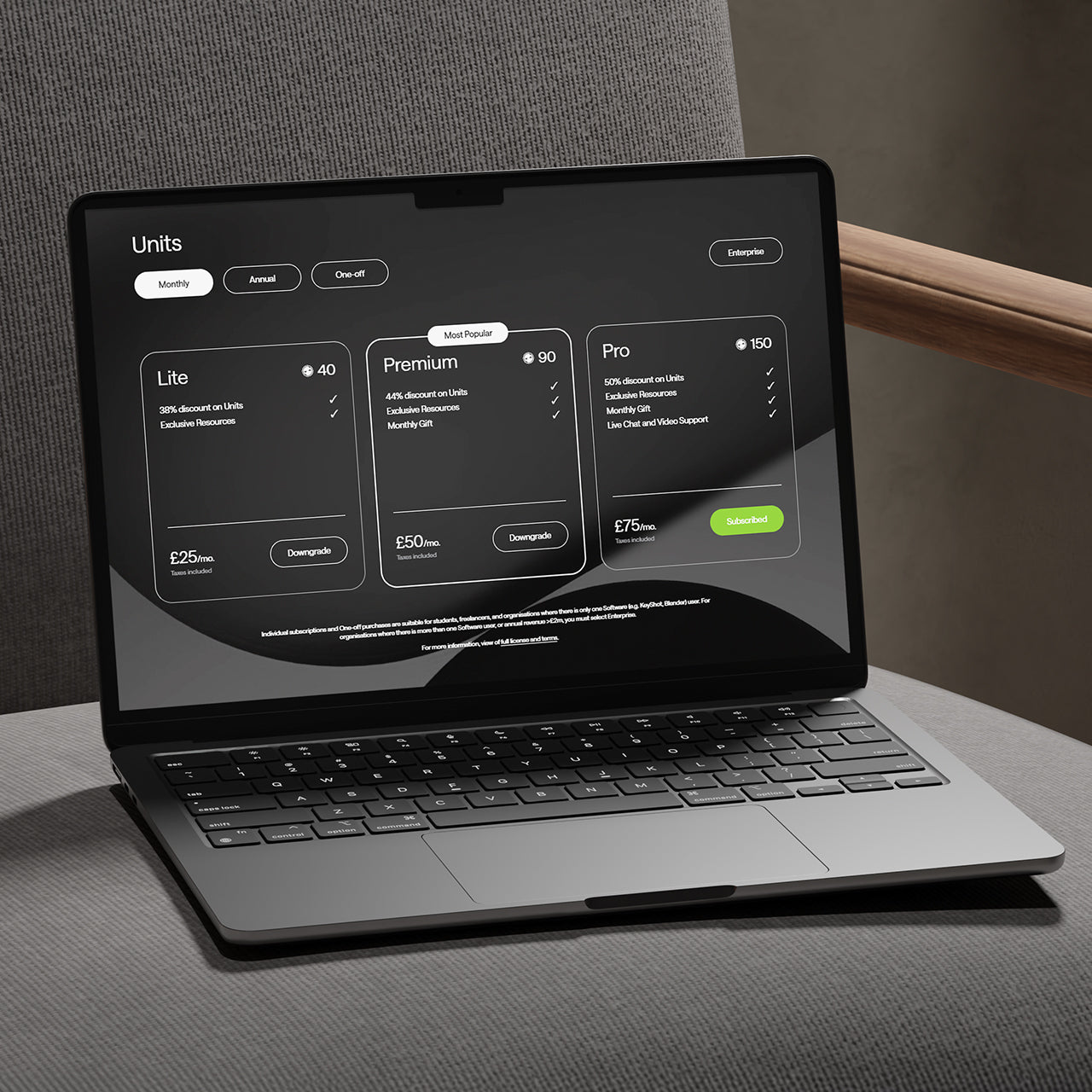
Visune Phase 2
Making use of the Shopify Plus customisable checkout, Absolute seamlessly integrated downloadable assets allowing customers to checkout with ease.
-
Shopify
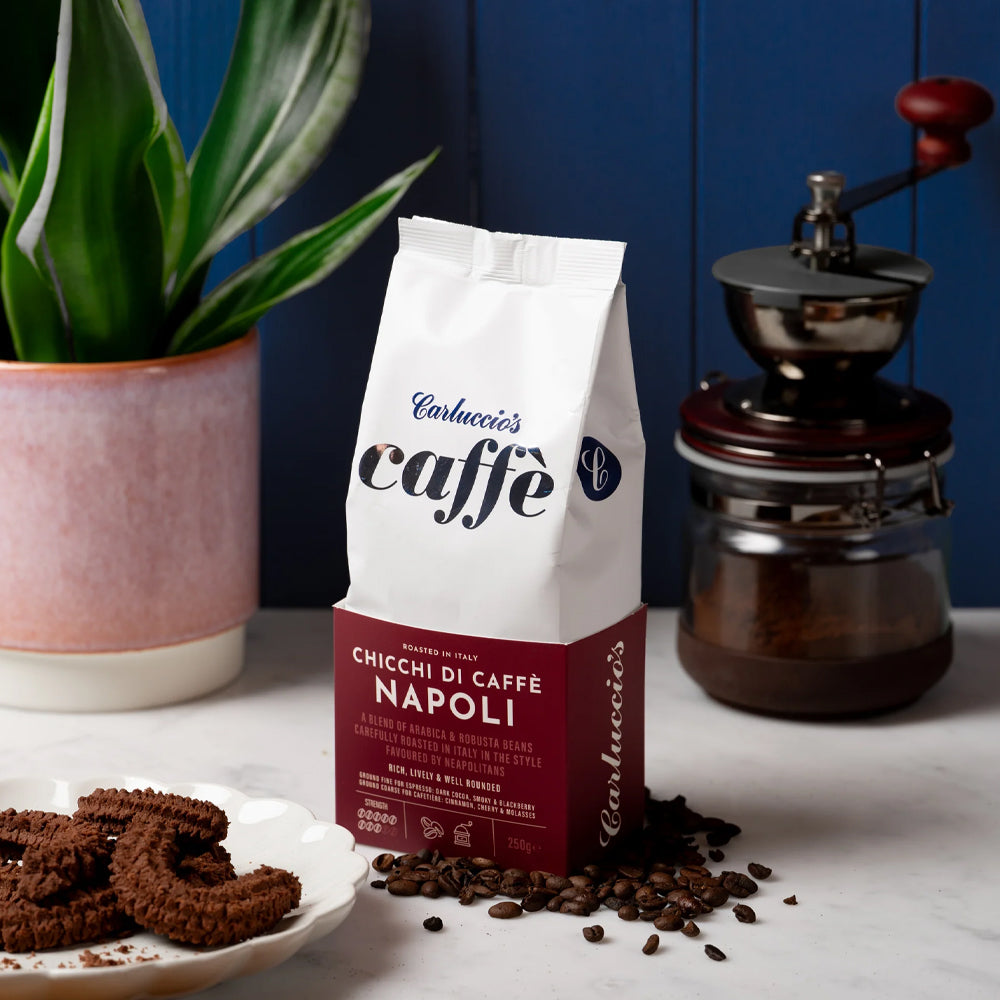
Carluccio's Coffee Subscription
Discover how we helped Carluccio’s transform their online coffee products, creating a bespoke design, unique user journey and efficient user experience, resulting in an eye-catching subscription service, seamlessly integrated with their Shopify site.
-
Shopify
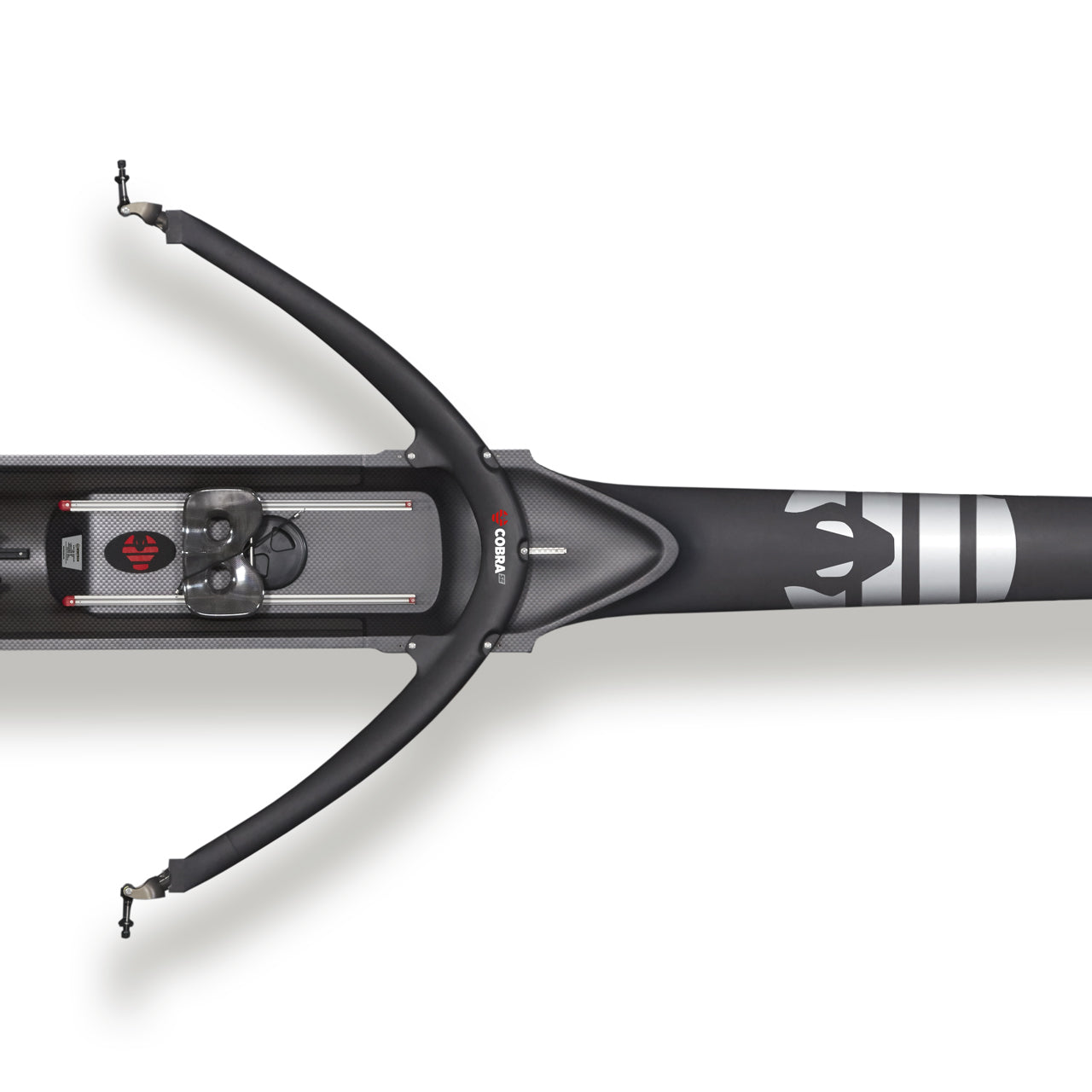
WinTech & King Racing
Creating a dual-branded, non-transactional Shopify site for WinTech and King Racing.
-
Shopify

Splash About - Shopify Plus
Discover how Splash About’s migration to Shopify Plus enabled faster product launches, stronger operational efficiency and a more intuitive experience for both retail and trade customers.
-
Shopify

Visune
Visune Shopify Plus build is picture perfect.
-
Shopify

Dataman
We have worked with our long standing client Dataman, the leading supplier of device programmers, as they migrated from Magento to Shopify.
-
Shopify

Shredall
Shredall recently approached us for a brand new Shopify website build, as the old site was built with an outdated Concrete5 platform and no longer met their requirements.
-
Shopify

Little Skiers
Since their inception in 2008, Little Skiers has been at the forefront of providing high-quality ski wear for kids. Recognising the need to evolve digitally, they embarked on a strategic migration to Shopify, aiming for a more streamlined and user-friendly online presence.
-
Shopify
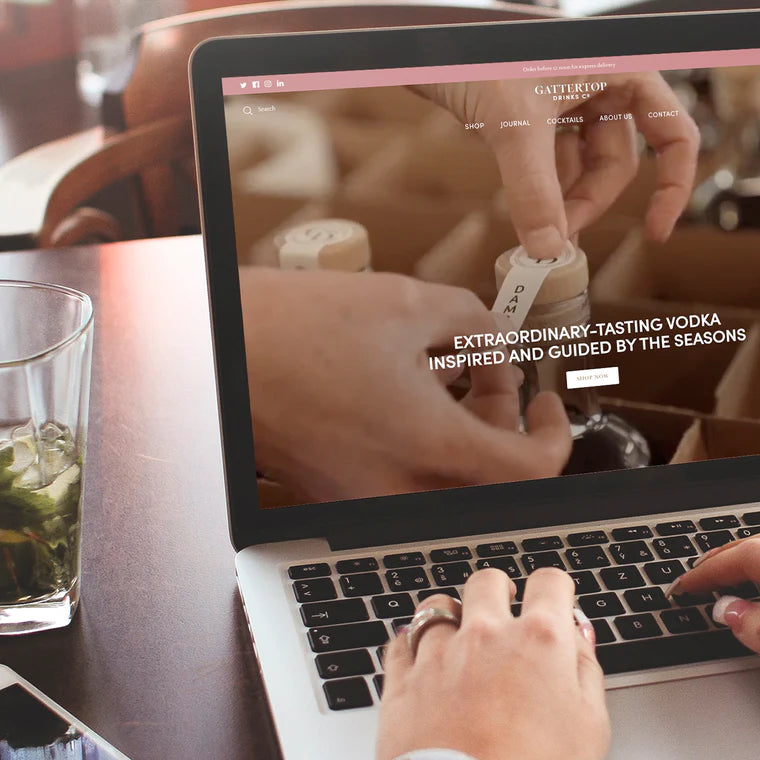
Gattertop
From migrating legacy data and introducing subscription models to enhancing user experience with handwritten gift messages, discover how we delivered a cost-effective, robust solution on Shopify, setting the stage for the brand's growth.
-
Shopify

Porcelain Ceramics
Shopify was the platform of choice to launch a new venture into the tile sector, cost effective but scaleable with ease.
-
Shopify
CONTACT
Are you excited to get your next project up and running? Or are you unsure what is dragging you down?
Contact Us to discuss how we can help increase sales and boost your online performance!

Enter your email address to sign up to our newsletter, featuring case studies, insights, industry news and much more.
If this is something you would like help with, please get in touch.